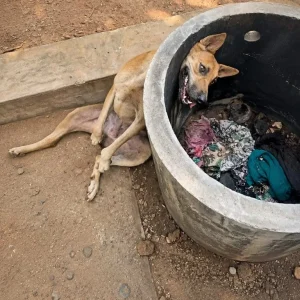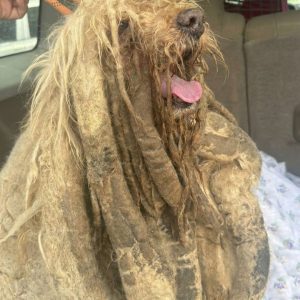
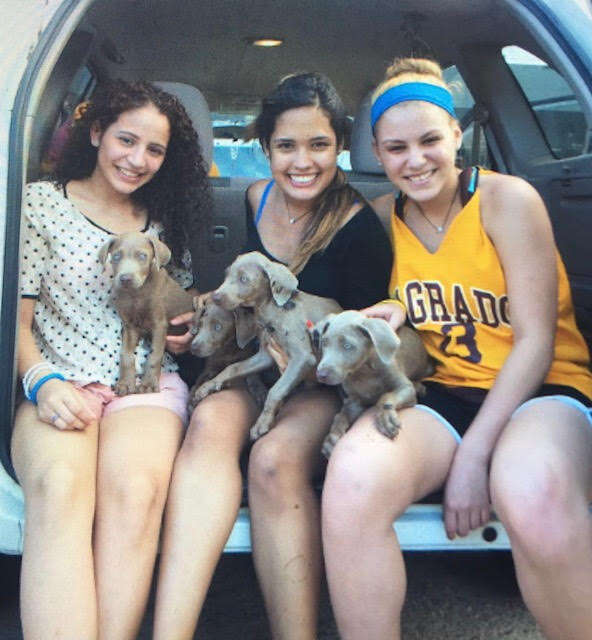
When rescuers found Murray on Dead Dog Beach in Puerto Rico, he was just a tiny puppy. He was there with his three Weimaraner siblings, all around 12 weeks old. The beach was known as a place where unwanted dogs were abandoned, and the puppies had already faced a difficult start before anyone came to help them.
Their rescue was only the beginning of a much harder fight. Not long afterward, Murray and his siblings began showing signs of distemper, a dangerous viral disease that can attack a dog’s nervous system. The illness was especially concerning in such young, unvaccinated puppies, and the outlook was frightening.
During an examination, Christina Beckles, founder and president of The Sato Project, noticed something unusual in Murray’s jaw. It was a sign that made her fear the disease had already begun affecting him. The veterinary team believed euthanasia might be the kindest option, but when the moment came, Murray did something that changed the decision.
He wagged his tail.
VIDEO: The Puppy Who Survived Distemper and Found a Family That Loved His Unique Face
A Tiny Puppy Who Wasn’t Ready to Give Up
Murray’s condition was serious. Distemper can cause seizures and neurological damage, and there was no simple treatment that could guarantee his recovery. One of his sisters had already died from the disease, making the situation even more heartbreaking for the people caring for the puppies.
Beckles later recalled holding Murray on the examination table and feeling a clicking sensation in his jaw. She understood what that could mean, and she and the veterinarian initially agreed that putting him to sleep might spare him further suffering.
But when the veterinarian brought him to the table, Murray wagged his tail. She could not go through with it.
Instead, the puppy was given a chance to continue fighting. Against the odds, he responded to treatment and gradually recovered. His survival was remarkable, although the illness left him with lasting health challenges, including mild seizures.
Distemper also affected the development and appearance of his head. The changes became particularly noticeable in his face, which gradually took on an unusual, asymmetrical shape.
His Face Changed, but His Personality Remained
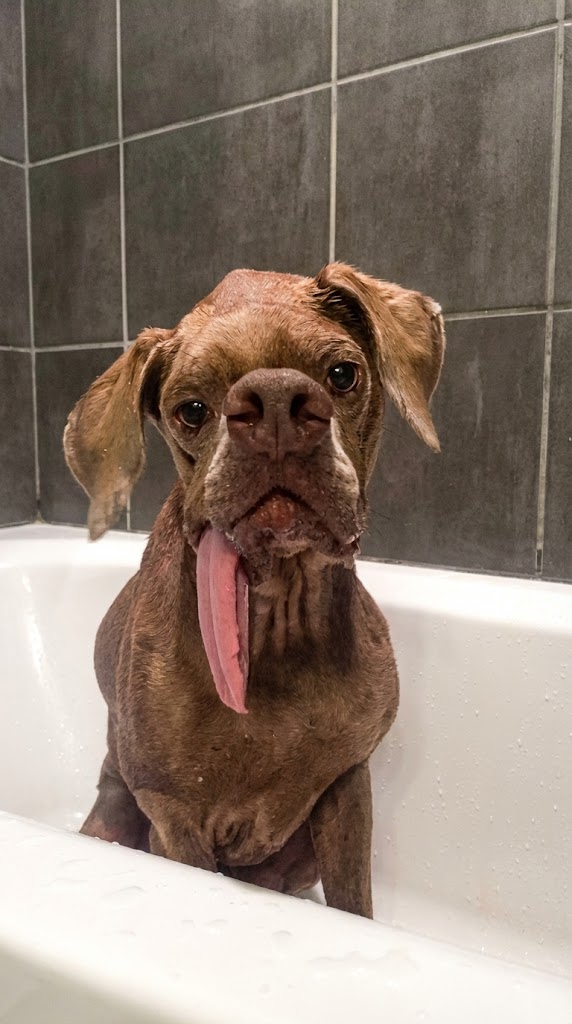
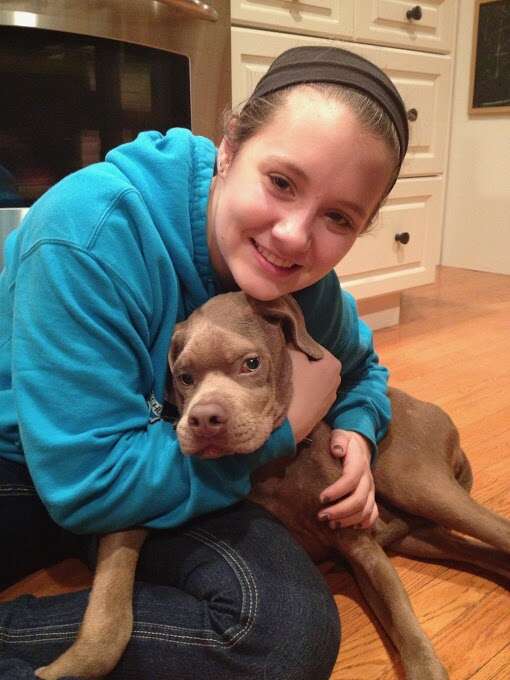
As Murray grew older, the effects of the illness became part of his distinctive appearance. His skull developed an uneven shape, leaving his face visibly crooked and flatter than that of most dogs.
His teeth also deteriorated badly. Eventually, most of them had to be removed, and without them, his tongue began hanging out of his mouth. It became one of the features that made Murray instantly recognizable.
For some dogs, looking different can make finding a home more difficult. Murray, however, was about to meet a family that saw no reason to treat him differently.
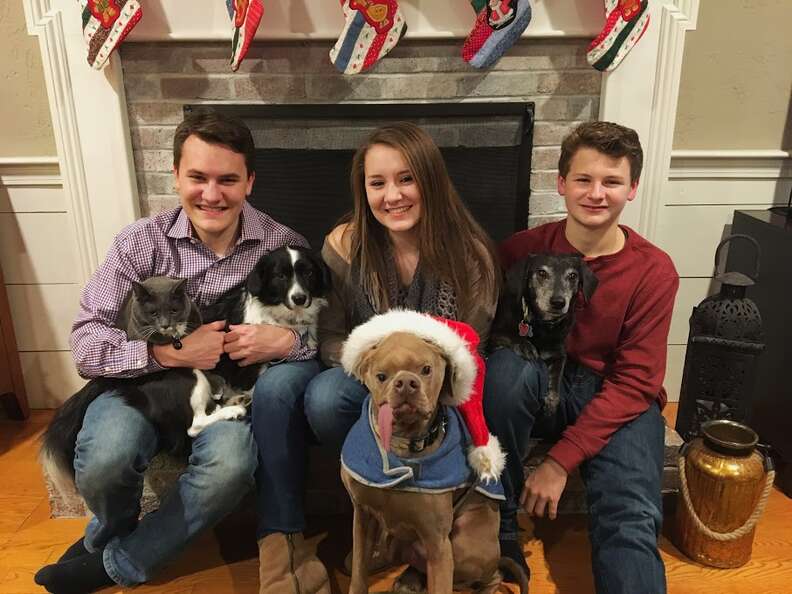
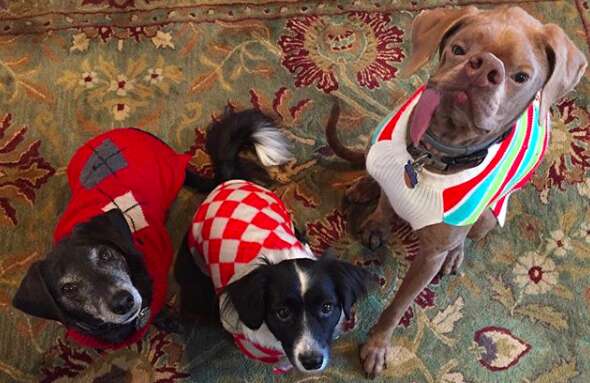
In November 2013, Mackenzie Gallant’s family agreed to foster him. The household already had two rescue dogs, Pili and Fox, as well as a cat named Daphne. Murray joined them while he continued his journey after rescue, and the connection quickly became something more permanent.
Just before Christmas that year, the family officially adopted him.
Mackenzie never hid how much the dog meant to her. “He’s my favorite dog,” she said. “I love him. He actually sleeps in my room every night.”
A Family That Never Made Him Feel Different
Murray’s life in his new home was filled with the ordinary pleasures that every dog deserves. He had other animals around him, people who cared for him, and a place where he could settle down without having to worry about being abandoned again.
One of his favorite activities was going for walks with Pili and Fox. Whenever the family asked whether the dogs wanted to go out, all three would come running. Sometimes one of the other dogs would start howling, and Murray would join in.
He enjoyed these outings so much that they became a highlight of his day. Despite his unusual appearance and ongoing health issues, he could still share in the same adventures as the other dogs.
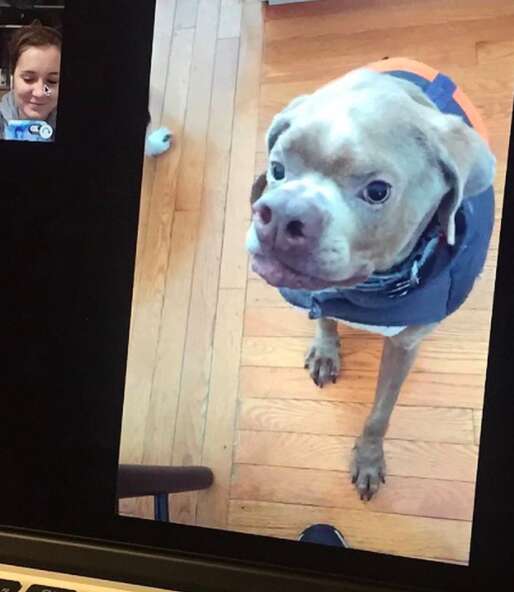
In 2016, Mackenzie left home to attend college. Being away from her animals was difficult, especially because of the close bond she had formed with Murray. But distance did not change their routine completely.
She regularly stayed in touch through FaceTime, and her family continued keeping Murray’s bedtime ritual. He still had his own pillow and blanket in Mackenzie’s bedroom. When someone told him, “Murray, it’s time for bed,” he knew exactly where to go.
Even when Mackenzie was away, his place in her room remained his.
The Dog Who Wasn’t Supposed to Be Here
Four years after Murray’s rescue, Christina Beckles was still delighted by how well he was doing. She knew he looked different from other dogs, but she also knew that his appearance did not define what kind of life he could enjoy.
Mackenzie described him as constantly happy, always wagging his tail and welcoming both people and other dogs. He was not simply surviving after his illness. He was thriving.
Beckles was equally grateful for the family that had welcomed him. She praised Mackenzie, her mother Kristina, and the rest of the household for accepting Murray from the beginning and allowing him to live just like their other pets.
Murray’s story began on a beach where unwanted dogs were left behind. He survived an illness that nearly cost him his life, carried its effects into adulthood, and eventually found a family that never considered his unusual face a reason to love him any less.
For Mackenzie, he was simply her favorite dog. And for Murray, the little puppy who once had so few chances, home had become a place where he was wanted, cherished, and free to be himself.