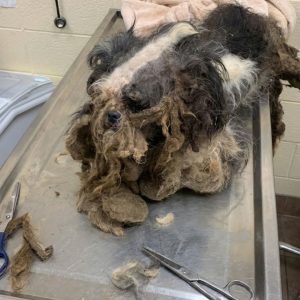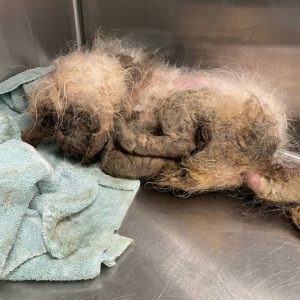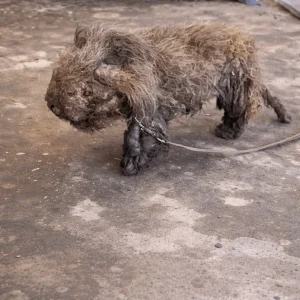
Leia was a gentle soul. Adopted as a tiny pup rescued from a puppy mill, she had spent seven years soaking in the quiet comfort of her Maryland home. But on an October afternoon, a door left open by accident changed everything. Catching a scent on the wind, the dog wandered outside, and within moments, she was swallowed by the dense woods.
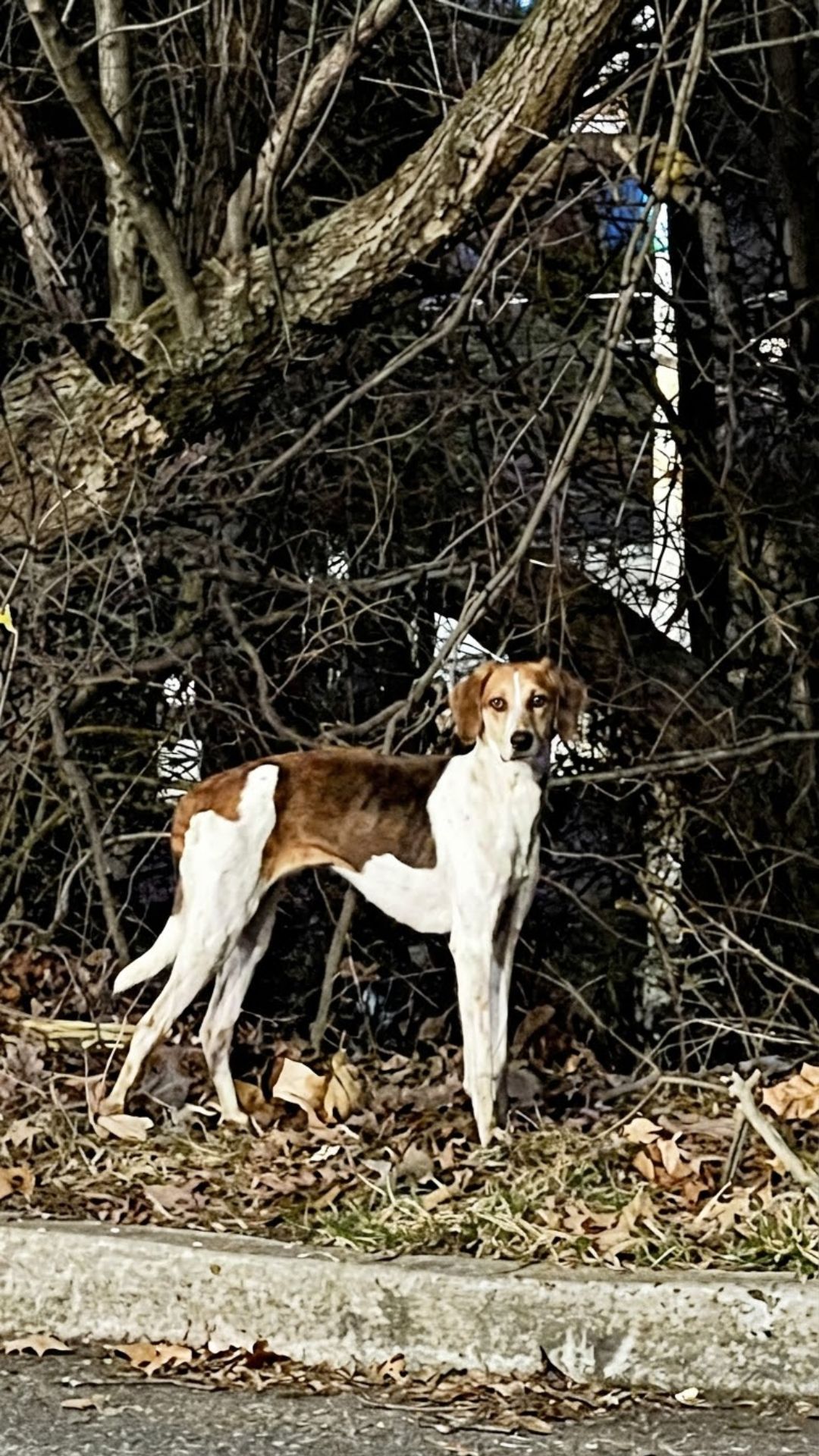
Days turned into weeks of desperate searching. When her family finally caught a glimpse of her standing among the trees 50 feet away, they rushed forward, expecting a joyous reunion. Instead, Leia turned and fled. The terrified dog had slipped completely into survival mode, her primal instincts overriding years of love and turning even the humans she knew best into perceived threats.
She retreated deeper into isolation to avoid any contact. Her family refused to give up, hanging hundreds of signs and spending countless hours driving through the dark, haunted by the thought of their dog shivering alone in the winter cold. It would take months of silence before a sudden phone call from a stranger working in a nearby office offered one last chance to bring her back from the edge.
VIDEO: A Family’s 100-Day Rescue Mission for Leia
The Distance Between Fear and Recognition
Leia had traveled four miles from where she first disappeared. When a woman named Amanda spotted the lonely dog lingering near the edge of the trees outside her office, the family’s fading hopes reignited. But finding Leia was only the first hurdle.
Catching a dog who had spent months viewing the world through a lens of pure survival required a delicate strategy.
Donna, a dedicated local rescue volunteer, stepped in to help. The team set up hidden cameras, feeding stations, and a massive, custom-built enclosure known as a Missy trap. Equipped with a laser-triggered door, the pen was designed to safely secure Leia without causing her further panic.
Yet, the timid dog remained highly cautious.
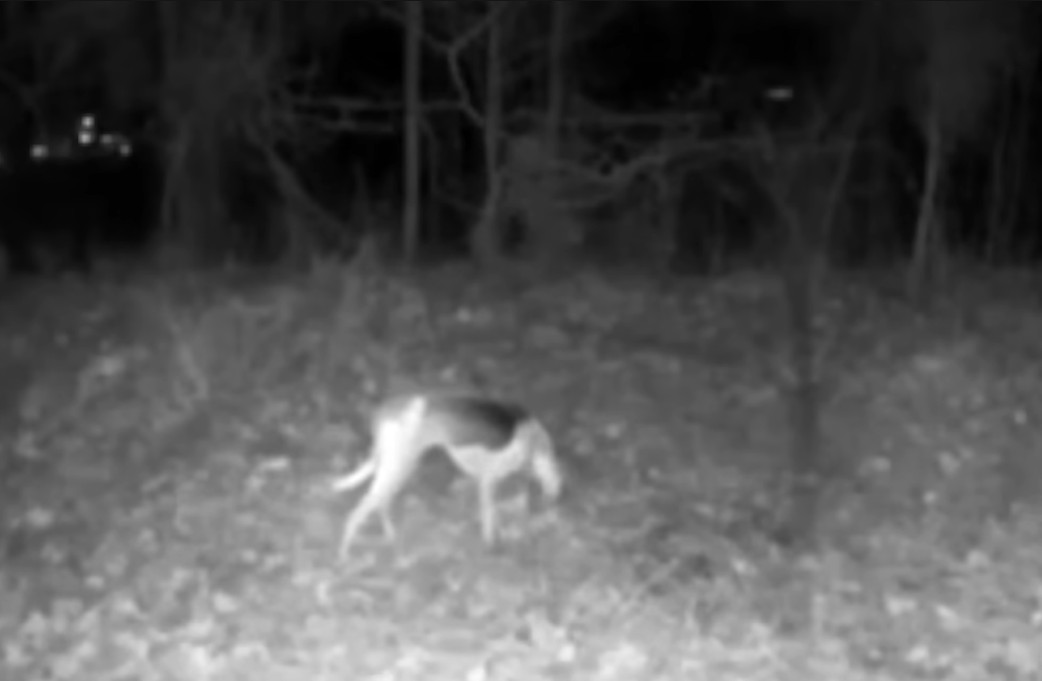
Every night, the cameras captured her creeping out of the shadows to eat, deliberately staying just out of reach of the laser. She was close enough to see, but her deeply ingrained fear kept her tethered to the wild. The family could do nothing but wait, watching their beloved pet through a screen as she slowly tested the boundaries of the trap.
“When an animal has spent months fighting the elements alone, yielding to the safety of an enclosed space goes against every instinct they have left to survive.”
A Familiar Voice in the Winter Woods
It took two agonizing weeks of patience for Leia to finally feel comfortable enough to follow the trail of food all the way into the pen. When she finally crossed the laser and the door closed behind her, the 100-day nightmare came to an abrupt halt.
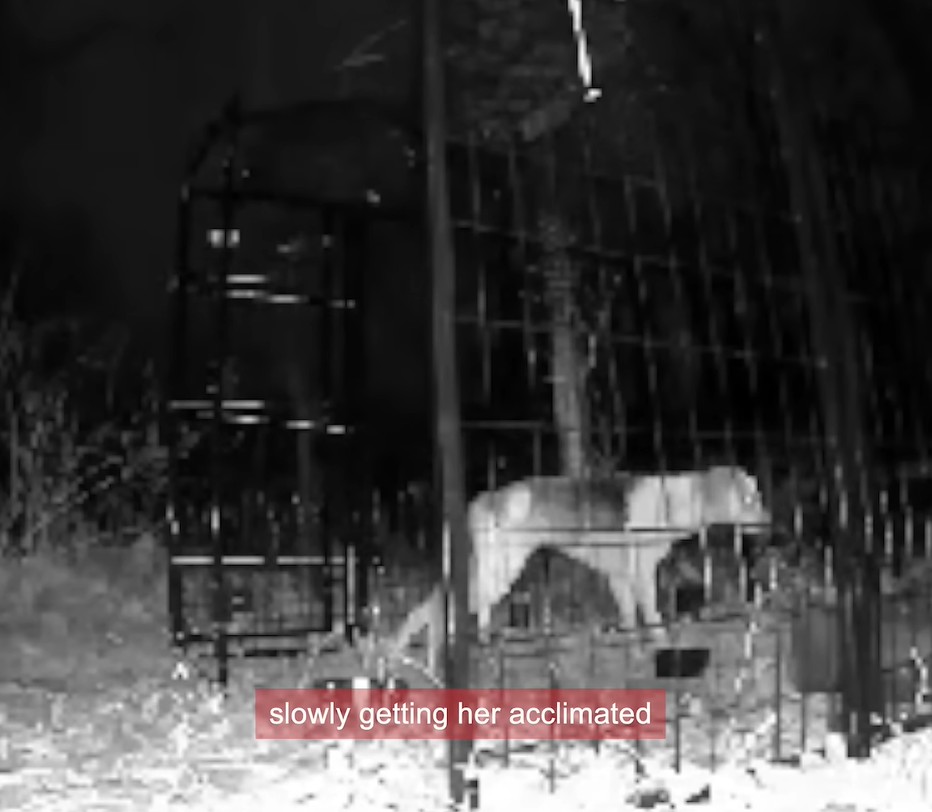
Her owner walked down into the freezing woods, unsure of what dog she would find waiting inside that metal enclosure.
The creature looking back at her had lost a third of her body weight and endured countless lonely nights in the biting cold. But the moment Leia heard a familiar voice, the wild instincts began to melt away. She sat down, sniffing her owner’s hands through the wire before breaking into a soft whine.
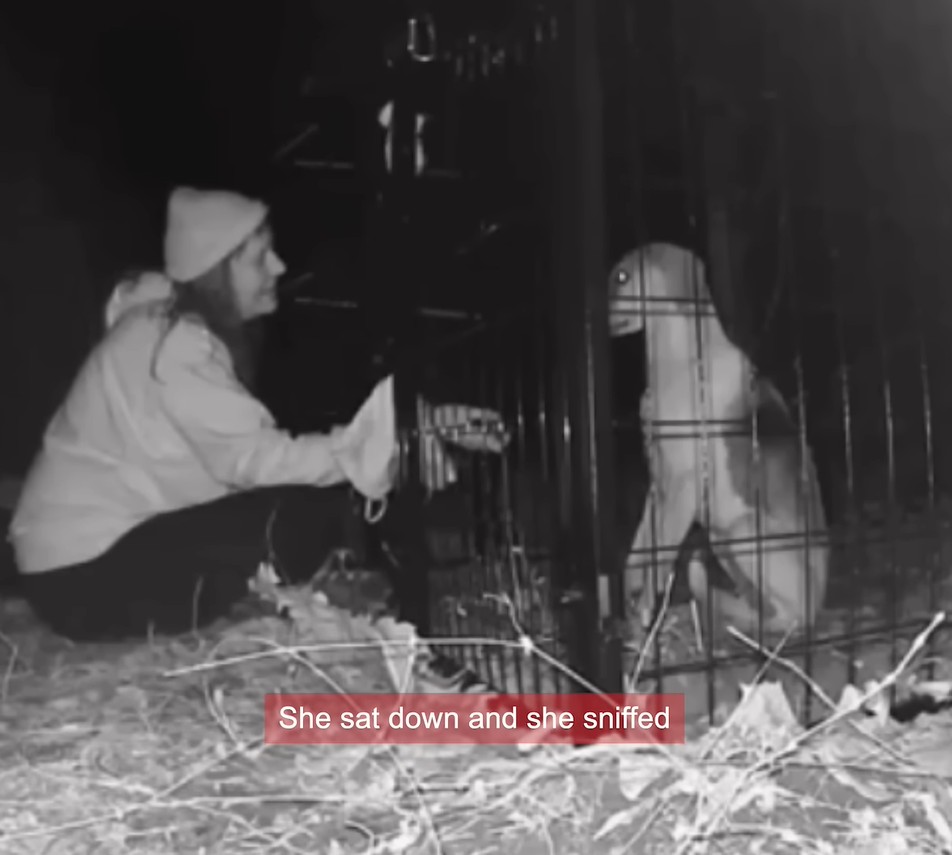
She pawed frantically at the door, her sudden urgency replacing all her previous hesitation. The dog who had run from her own family just months prior was now pleading to be taken home.
The relief stretched far beyond the woods. Leia’s owner immediately pulled out her phone to FaceTime her husband, who had been forced to move out of state for a new job while she stayed behind to continue the search.
Learning to Sleep Soundly Again
Returning to the warmth of a house after surviving the harsh outdoors left a lasting mark on Leia.
She carried the weight of her time in the woods with her, displaying a new hesitation around open doorways and a quiet anxiety whenever her environment shifted. The world outside was no longer just a backyard; it was a vast, unpredictable place that she had barely survived.
Yet, alongside that nervous energy came a profound shift in how she sought out love.
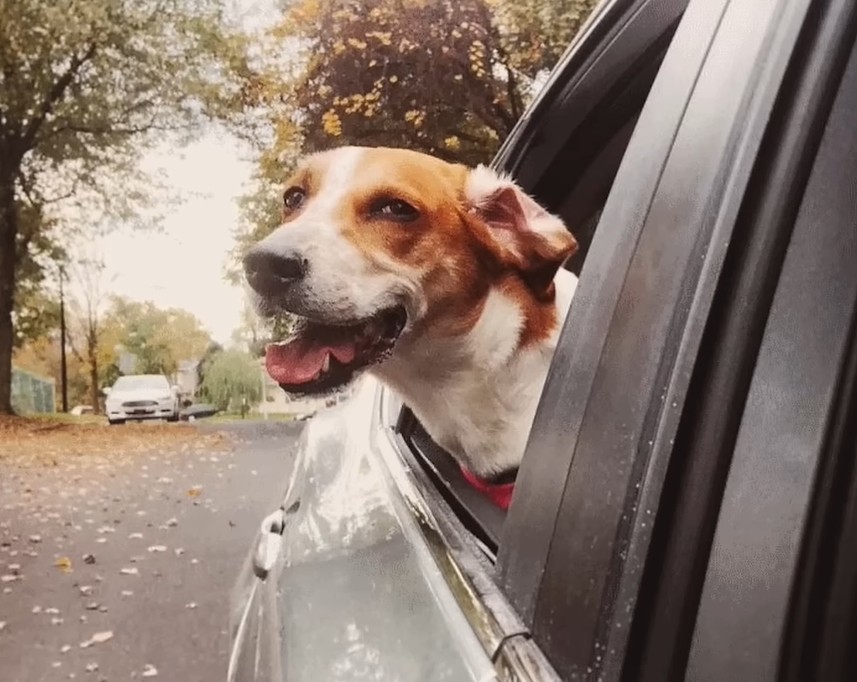
Before her escape, Leia had always been an independent sleeper, preferring to rest at the foot of the bed. Now, the space between her and her family cannot be small enough. She actively seeks out the constant reassurance of physical touch, pressing herself firmly against her owners on the couch and sleeping huddled right up next to them.
“Sometimes, the trauma of being lost doesn’t just teach an animal to fear the outside world; it teaches them the exact value of the people who never stopped looking for them.”